
Delve into the fascinating world of antique rocking chairs! This guide provides essential information for identifying, dating, and valuing these cherished pieces, from early American designs to Victorian styles.
Antique rocking chairs represent more than just seating; they embody history, craftsmanship, and often, cherished family memories. Identifying these pieces requires understanding their evolution, stylistic nuances, and construction techniques. The allure of an antique lies in its age, beauty, rarity, and the stories it silently tells.
From simple, functional designs to elaborately ornamented Victorian examples, rocking chairs reflect the tastes and technological advancements of their respective eras. Determining a chair’s age and origin can significantly impact its value. This guide aims to equip you with the knowledge to navigate the world of antique rocking chair collecting.
Whether you’re a seasoned collector or a curious beginner, understanding the key features – wood types, rocker construction, ornamentation – is crucial. The journey of identifying an antique is akin to uncovering a piece of the past, connecting you to previous generations and the skilled artisans who created these enduring objects. Explore the fascinating details that define each chair!
Understanding Rocking Chair Styles
Rocking chair styles evolved significantly over time, mirroring broader furniture trends and technological innovations. Early examples, often handcrafted, prioritized functionality, while later designs embraced elaborate ornamentation and mass production techniques. Recognizing these stylistic shifts is fundamental to identification.
Styles range from the simplicity of Early American forms like Windsor and Ladderback chairs, characterized by turned spindles and sturdy construction, to the more ornate Victorian pieces featuring carved details and plush upholstery. The Mid-19th Century saw the rise of Platform and Boston rocking chairs, each with distinct features.

Understanding the defining characteristics of each style – the shape of the crest rail, the design of the rockers, the type of wood used – allows for accurate categorization. Furthermore, recognizing regional variations and the influence of specific furniture makers adds depth to your knowledge. Identifying a chair’s style is the first step towards uncovering its history and value.
Early American Rocking Chairs (18th & Early 19th Century)
Early American rocking chairs, crafted primarily during the 18th and early 19th centuries, represent a foundational period in rocking chair design. These chairs were typically built for practicality and durability, reflecting the needs of a burgeoning nation. They often showcase a restrained elegance, emphasizing craftsmanship over excessive ornamentation.
Common features include the use of locally sourced hardwoods like maple, cherry, and pine. Joinery techniques were predominantly mortise-and-tenon, ensuring robust construction. Early rockers often featured simpler, more gently curved rockers than later examples. Upholstery, when present, was minimal, often consisting of woven rush or simple fabric coverings.
These chairs weren’t mass-produced; each piece often bore the unique marks of its maker. Identifying these early chairs requires attention to detail – examining the wood grain, joinery, and overall form. They represent a tangible link to America’s colonial and early federal periods, embodying a spirit of self-reliance and resourceful design.
The Windsor Rocking Chair
Windsor rocking chairs, a distinctive subset of early American furniture, are easily recognized by their characteristic spindle back and legs. Originating in England, the Windsor style became incredibly popular in America during the 18th and 19th centuries, adapting to local materials and tastes. These chairs were often constructed using a combination of wood types – typically maple for the structural components and pine for the painted elements.
A key identifying feature is the “comb” back, comprised of slender, vertically arranged spindles. The seats are typically saddle-shaped, carved from a single piece of wood for comfort and durability. Rockers were added later, transforming the traditional Windsor chair into a rocking version.
Paint was frequently applied, often in patriotic colors or simple country hues. Examining the paint layers can offer clues to the chair’s age and history. Authentic Windsor rocking chairs exhibit a robust, slightly rustic aesthetic, reflecting their origins as practical, everyday furniture.
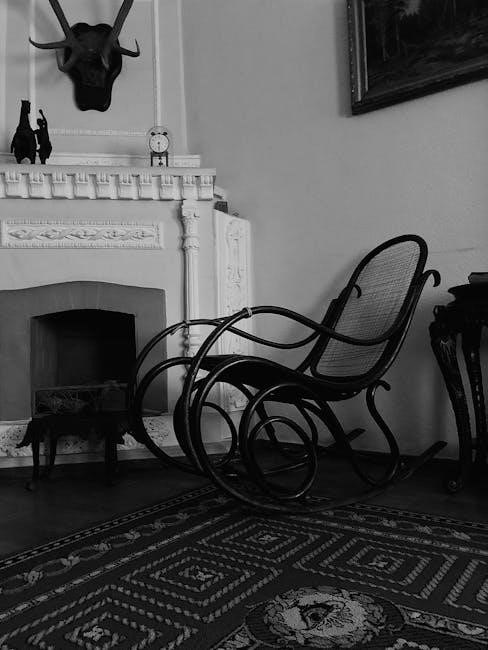
The Ladderback Rocking Chair

Ladderback rocking chairs represent a simpler, yet equally charming, style of early American seating. As the name suggests, these chairs feature a back constructed of vertical slats resembling a ladder. Typically crafted from maple, hickory, or ash, ladderback chairs embody a functional and unadorned aesthetic, popular amongst settlers and rural communities.
Identifying features include the continuous, curved top rail connecting the upright slats. The seats are often woven from cane, rush, or braided materials, providing a comfortable and breathable surface. Rockers were commonly added, transforming the chair into a soothing rocking version.
Unlike more ornate styles, ladderback chairs often showcase minimal embellishment. However, subtle variations in slat design and rocker shape can indicate age and regional influences. Look for signs of wear consistent with age and use, such as smoothed edges and a patina developed over time. These chairs represent a cornerstone of American folk art.

Mid-19th Century Rocking Chair Styles
The mid-19th century witnessed a transition in rocking chair design, bridging the gap between earlier, simpler forms and the elaborate Victorian era. This period saw increased industrialization, influencing both production methods and stylistic preferences. Rocking chairs began to incorporate more curves and decorative elements.
The Platform Rocking Chair emerged as a popular choice, characterized by a solid, supportive platform base connecting the rockers. These chairs often featured scrolled arms and carved details, though generally less ornate than later Victorian pieces. Mahogany and rosewood became increasingly common wood choices.
The Boston Rocking Chair, a refined style, gained prominence. These chairs typically featured a curved back, elegantly shaped arms, and a more compact overall design. They often showcased a darker finish and were considered more formal than ladderback or Windsor styles. Identifying features include a focus on graceful lines and a comfortable, supportive seat.
The Platform Rocking Chair
Platform rocking chairs, popular throughout the mid-19th century, are easily recognized by their distinctive base. Unlike chairs with traditional curved rockers directly attached to the legs, platform rockers feature a solid, continuous wooden platform connecting both rockers. This construction provides exceptional stability and a smooth, gentle rocking motion.
Stylistically, platform rockers often exhibit scrolled arms, carved details, and a generally robust build. Mahogany, rosewood, and walnut were frequently used, showcasing the wood’s natural grain. Upholstery, typically horsehair or cotton, added comfort and visual appeal. The platform itself could be simple or adorned with decorative molding.

Identifying a genuine antique platform rocker involves examining the joinery – look for hand-cut dovetails and mortise-and-tenon joints. The quality of the carving and the patina of the wood are also key indicators of age and authenticity. These chairs represent a transitional style, foreshadowing the more ornate designs of the Victorian era.
The Boston Rocking Chair
The Boston Rocking Chair, a hallmark of mid-19th-century American furniture, is celebrated for its elegant simplicity and refined craftsmanship. Originating in Boston, Massachusetts, these chairs quickly gained popularity across the nation, becoming a symbol of domestic comfort and style.
Key characteristics include a high, slightly curved back, elegantly shaped arms that often terminate in scrolled supports, and a gently rounded seat. Typically constructed from maple, birch, or cherry, Boston rockers were often painted black, though examples with natural finishes also exist. The rockers themselves are usually moderately curved, providing a comfortable and balanced rocking motion.
Distinguishing features include the chair’s overall lightness and graceful proportions. Unlike some heavier Victorian styles, Boston rockers prioritize form and function. Look for evidence of hand-planing and careful joinery. These chairs represent a sophisticated aesthetic, embodying the refined tastes of the era and remain highly collectible today.
Victorian Rocking Chair Characteristics (Late 19th Century)
Victorian rocking chairs (roughly 1837-1901) represent a dramatic shift in style, embracing ornate detailing and elaborate ornamentation. Reflecting the era’s penchant for excess, these chairs are often characterized by heavily carved frames, plush upholstery, and a generally opulent aesthetic.
Common features include spindlework, turned legs, and intricately carved crest rails. Dark, rich wood finishes – mahogany, walnut, and rosewood – were favored, often highlighted with gilding. Upholstery frequently featured luxurious fabrics like velvet, brocade, and horsehair, sometimes adorned with tassels and fringe.
Rocker variations ranged from simple curved rockers to more elaborate designs incorporating carved details. The overall impression is one of grandeur and comfort. Identifying Victorian pieces often involves examining the level of ornamentation and the quality of the carving. These chairs showcase the skilled craftsmanship and artistic sensibilities of the Victorian period, making them highly sought-after collectibles.
Identifying Victorian Ornamentation
Victorian ornamentation is key to identifying and dating these rocking chairs. Look for recurring motifs like floral patterns – roses, lilies, and sunflowers were particularly popular – and naturalistic designs featuring leaves, vines, and birds. Carving often depicts scrolling foliage, shell motifs, and classical elements.
Specific styles within the Victorian era also exhibit unique ornamentation. Rococo Revival features asymmetrical designs and C-scrolls, while Gothic Revival incorporates pointed arches and trefoil shapes. Eastlake style, influenced by Charles Eastlake, emphasizes geometric patterns and simpler, more restrained carving.
Gilding and painting were frequently used to enhance ornamentation. Gilding highlights carved details, while painted accents add color and visual interest. Examining the quality and intricacy of the ornamentation can help determine the chair’s age and value. Genuine antique pieces will showcase hand-carved details, whereas later reproductions may exhibit machine-made elements. Careful observation of these details unlocks the story of each unique chair.
Materials Used in Antique Rocking Chairs
Wood selection profoundly impacted antique rocking chair construction. Maple, cherry, walnut, and oak were commonly used, each offering distinct characteristics. Maple, often lighter in color, was favored for its strength and ability to hold intricate carvings. Cherry develops a rich patina with age, while walnut provides a darker, more luxurious appearance.
Early chairs frequently utilized readily available local hardwoods. As styles evolved, mahogany, imported from the West Indies, became popular for its beauty and workability, often reserved for higher-end pieces. Pine was sometimes used for secondary components or more affordable chairs.
Beyond wood, materials like cane, rush, and leather were employed for seats and backs. Cane provides a breathable and comfortable seating surface, while rush offers a more rustic aesthetic. Leather, often used in Victorian-era chairs, adds a touch of elegance. Examining the wood grain, color, and any remaining original finishes can aid in identifying the chair’s age and origin.
Wood Types and Their Significance

Identifying wood is crucial for dating and valuing antique rocking chairs. Maple, a dense hardwood, was popular in the 18th and 19th centuries, often exhibiting a close grain and creamy color. Cherry, known for its reddish hue and smooth texture, gained prominence in the Federal period and Victorian era, deepening with age.
Walnut, a darker, richer wood, signified quality and was frequently used in more elaborate designs. Oak, both red and white, provided strength and durability, commonly found in earlier American styles like Windsor chairs. Mahogany, imported and expensive, indicated a higher status and was favored for refined Victorian pieces.
Pine, a softer wood, was used for less expensive chairs or secondary components. Examining the wood’s grain pattern, color variations, and weight can help determine its type. Knowing the wood’s typical usage during specific periods provides valuable clues about the chair’s age and potential origin, aiding in accurate identification.
Rocker Construction and Types
Rocker construction significantly impacts a rocking chair’s age and style. Early rockers often featured flat rockers, carved from a single piece of wood, providing a gentle, controlled motion. Later, curved rockers became common, offering a smoother, more pronounced rocking experience.
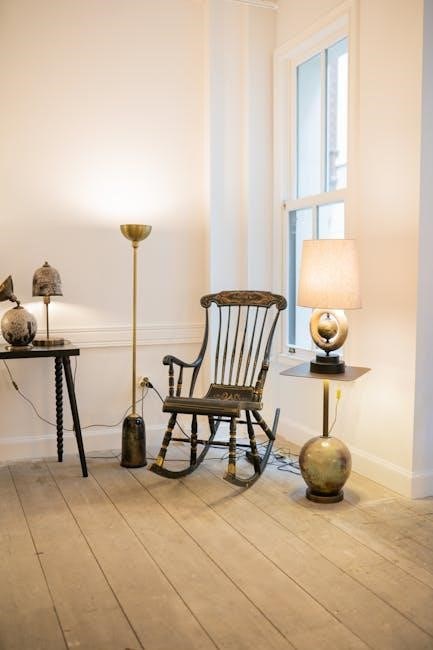
Full rockers, extending the chair’s full width, were typical in the 19th century, while partial rockers, shorter in length, appeared later. The method of attachment is also key; early rockers were often mortise-and-tenon jointed, while later examples utilized screws.
Cast iron rockers, appearing in the mid-19th century, offered durability and allowed for more ornate designs. Examining the rocker’s shape, length, and how it connects to the chair’s frame provides crucial dating information. Variations in rocker construction reflect evolving manufacturing techniques and stylistic preferences throughout history, aiding in accurate identification.
Identifying Chair Makers & Patents
Identifying chair makers can significantly increase an antique rocking chair’s value and historical understanding. Many manufacturers stamped their names, marks, or patent numbers directly onto the chair’s frame, often on the underside or rear legs. Look for impressed stamps, paper labels (though these rarely survive), or carved signatures.
Patent numbers are particularly helpful, allowing researchers to pinpoint the chair’s production date and design origin. Online patent databases can decode these numbers, revealing the inventor and year of the patent. Well-known makers like Bent & Knoll, Stickley, and Limbert are highly sought after.
Researching regional furniture-making centers, such as High Point, North Carolina, or Grand Rapids, Michigan, can also provide clues. Documentation, like old catalogs or advertisements, can confirm maker identification. A maker’s mark is a valuable piece of the puzzle, confirming authenticity and provenance.
Dating Rocking Chairs: Key Features by Era
Dating a rocking chair relies on recognizing stylistic and construction changes over time. Early American (18th/early 19th century) chairs feature simpler designs, often Windsor or ladderback styles, with hand-carved details and natural finishes.
Mid-19th century chairs showcase more elaborate ornamentation, like platform rockers and curved lines, reflecting Victorian influences. Late Victorian (late 19th century) chairs are characterized by ornate carvings, spindlework, and darker, richer wood tones.
Rocker shape is a key indicator: early rockers were often flat, evolving into more curved designs. Construction techniques also changed; earlier chairs used mortise-and-tenon joints, while later chairs incorporated screws and mass-produced parts. Examining wood types, finishes, and hardware provides further clues. Careful observation of these details helps establish a chair’s approximate age and origin.
Common Rocking Chair Repairs & Restoration

Antique rocking chairs often require repairs due to age and use. Common issues include loose joints, cracked wood, damaged rockers, and worn finishes. Joint repairs typically involve re-gluing and clamping, sometimes requiring wood splints for reinforcement.
Rocker repairs may necessitate patching or replacing sections of the rocker itself. Finish restoration can range from cleaning and polishing to stripping and refinishing, preserving the chair’s patina while addressing damage.
Avoid overly aggressive restoration, as it can diminish value. Prioritize structural repairs before cosmetic ones. Professional restoration is recommended for significant damage or complex repairs. Careful consideration should be given to maintaining the chair’s historical integrity and original character during any restoration process. Document all repairs for future reference and value assessment.
Resources for Further Identification
Expanding your knowledge of antique rocking chairs requires utilizing diverse resources. Antiques.com serves as a premier online platform for buying, selling, and researching various antiques, including chairs. Numerous online auction sites, like LiveAuctioneers and Invaluable, offer extensive databases of sold rocking chairs, providing valuable pricing and identification data.
Specialized books dedicated to antique furniture and chairmaking offer detailed information on styles, construction, and makers. Museum collections, both physical and virtual, provide examples of historical rocking chairs. Antique dealer networks and appraisal services can offer expert opinions and authentication.
Local historical societies often possess knowledge of regional furniture styles. Online forums and communities dedicated to antiques allow for sharing information and seeking advice from fellow enthusiasts. Remember to cross-reference information from multiple sources for accurate identification.
Valuing Your Antique Rocking Chair
Determining the value of your antique rocking chair is a multifaceted process. Condition is paramount; excellent original condition commands a higher price than chairs needing significant restoration. Rarity plays a crucial role – unique styles or chairs from limited production runs are more valuable.
Provenance, or the chair’s history of ownership, can significantly increase its worth, especially if linked to notable figures. Style and period influence value, with certain eras being more sought after. Wood type and craftsmanship are also key considerations.
Consulting with a qualified appraiser is highly recommended for an accurate assessment. Comparing similar chairs sold at auction or through reputable dealers provides a benchmark. Online resources like Antiques.com offer price guides, but these should be used as a starting point. Remember that emotional value doesn’t always translate to monetary worth.