
Maintaining a manual transmission requires regular fluid checks, often overlooked by drivers. Proper fluid levels ensure smooth shifting and prevent costly damage.
Why Check Manual Transmission Fluid?
Regularly inspecting your manual transmission fluid is crucial for several reasons. The fluid lubricates gears, reducing friction and wear, ensuring smooth operation. Low fluid levels can cause grinding, difficulty shifting, and ultimately, transmission failure. Checking fluid condition reveals contamination – metal shavings indicate internal damage. Proactive checks prevent expensive repairs, extending the transmission’s lifespan and maintaining vehicle performance. Ignoring this maintenance can lead to significant, avoidable costs down the road, impacting drivability.
Frequency of Checks
Ideally, check your manual transmission fluid every 30,000 miles or annually, whichever comes first. However, more frequent checks are advisable for vehicles subjected to demanding conditions – towing, off-roading, or frequent stop-and-go traffic. Always inspect after long trips, as these can stress the transmission. If you notice any shifting issues or unusual noises, check the fluid immediately. Consistent monitoring helps identify potential problems early, preventing major repairs and ensuring reliable performance.

Tools and Materials Needed
Essential tools include a wrench for the fill plug, a fluid pump or funnel, gloves, a drain pan, and appropriate manual transmission fluid.
Required Tools
For a successful manual transmission fluid check, gather specific tools. A wrench, sized to fit the fill and check plug, is crucial. A fluid pump simplifies adding fluid, while a funnel works well too. Protective gloves safeguard your hands from hot fluid and grime. A drain pan is essential for catching any spills during the process. Rags or paper towels are needed for cleanup, and a flashlight can aid visibility in dimly lit areas under the vehicle. Finally, a level is important to ensure accurate readings.
Types of Manual Transmission Fluid
Selecting the correct manual transmission fluid is paramount; using the wrong type can cause severe damage. Common types include GL-4 and GL-5 gear oils, differing in their additive packages and suitability for various transmissions. Some vehicles require specific fluids designated by the manufacturer – always consult your owner’s manual. Synthetic fluids offer enhanced performance and protection, while conventional fluids are a more economical option. Viscosity, indicated by a weight like 75W-90, also matters, impacting fluid flow at different temperatures.
Locating the Transmission Fluid Fill/Check Plug
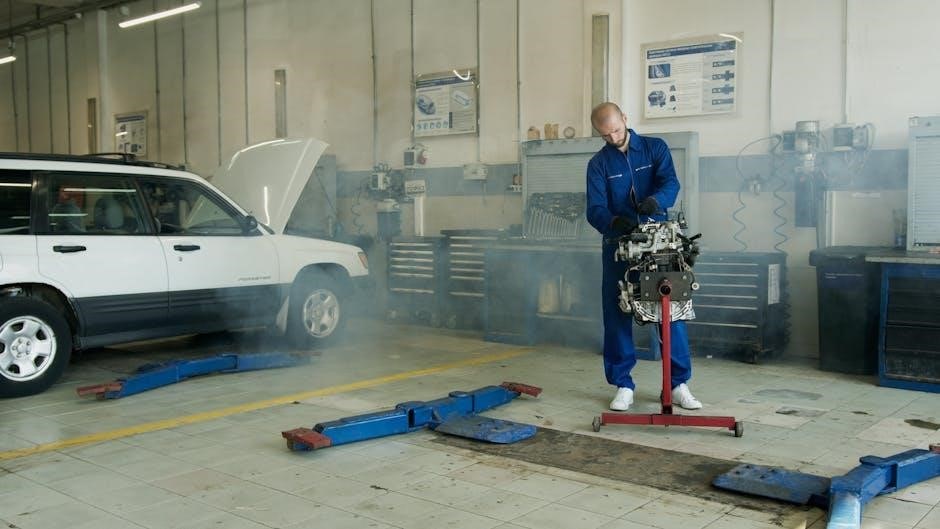
Finding the fill/check plug varies by vehicle, but it’s typically located on the side of the transmission case, often requiring a wrench or socket.
Identifying the Plug’s Location
Locating the fill plug can be tricky, as its position isn’t standardized. Generally, crawl under your vehicle and inspect the transmission housing. Look for a large bolt or plug, often hexagonal, on the side of the transmission. Consult your vehicle’s repair manual or online resources for a precise diagram specific to your make and model. Some vehicles may have a dipstick, but many manual transmissions utilize this plug-based system for fluid level assessment. Identifying the correct plug is crucial to avoid damaging other components.
Vehicle-Specific Differences
Transmission fluid check plug locations vary significantly between vehicles. Front-wheel drive cars typically have the plug accessible from the front or sides, while rear-wheel drive vehicles often require access from underneath the rear. Some manufacturers place the plug facing upwards, others sideways, impacting access. Always refer to your vehicle’s owner’s manual or a reliable repair database for the exact location. Ignoring these differences can lead to difficulty locating the plug or potential damage during removal and inspection.

Preparing to Check the Fluid Level
Ensure the vehicle is parked on a level surface and the engine is warmed up, but not hot, for an accurate fluid level assessment.
Ensuring Vehicle is Level
Accurate fluid level readings depend critically on a perfectly level vehicle. Parking on even slightly sloped ground will skew the results, leading to incorrect assessments. Use a spirit level to verify the surface, or find a completely flat parking area. This prevents falsely low or high readings. A level surface allows the fluid to settle correctly within the transmission housing, providing a true indication of its volume. Ignoring this step can lead to overfilling or underfilling, both detrimental to transmission health.
Engine Temperature Considerations
Ideally, check the transmission fluid when the engine is warm, but not hot. Running the engine briefly—a short drive—brings the fluid up to operating temperature, making the level more representative of normal driving conditions. However, avoid checking immediately after a long drive, as hot fluid can cause burns. Allow a short cooling period to prevent injury while accessing the fill plug. Warm fluid also flows more freely, aiding in an accurate level assessment.
Checking the Fluid Level ー Step-by-Step
Remove the fill plug, then insert a clean dipstick or small tool to gauge the fluid level; it should reach the plug’s opening.
Removing the Fill/Check Plug
Locate the fill/check plug, typically on the side of the transmission. Using the correct socket or wrench, carefully loosen and remove the plug. Be prepared for a small amount of fluid to potentially drip out, so have rags handy.
Clean the plug thoroughly before re-insertion, ensuring no debris enters the transmission. Note the plug’s condition; metal shavings indicate internal wear.
Proceed cautiously, as the plug may be tight, and avoid rounding off the edges of the bolt head.
Assessing Fluid Level – Correct Position
With the vehicle level and the engine at operating temperature, insert a clean finger or a dipstick (if equipped) into the fill hole. The fluid level should be even with the bottom of the fill hole.
If the fluid doesn’t reach this point, it’s low and needs topping up.
Avoid overfilling, as this can cause pressure buildup and leaks. A slight resistance when turning the plug is normal, but excessive force isn’t needed.
Understanding Fluid Condition
Healthy manual transmission fluid is typically amber or light brown. Dark, murky fluid, or one with metallic flakes, indicates contamination and potential issues.
Color of Healthy Fluid
Generally, a healthy manual transmission fluid exhibits a translucent amber or light brown hue. This clarity signifies the fluid is relatively new and hasn’t accumulated excessive wear particles or contaminants. However, slight variations in color can occur depending on the fluid type and manufacturer specifications.
Newer fluids might appear almost clear, while those in service for a moderate period may darken slightly. The key is to observe for significant changes, like a drastic darkening or cloudiness, which signals potential problems. A bright, clean color is a positive indicator of good transmission health.
Signs of Contaminated Fluid
Contaminated manual transmission fluid displays noticeable changes in appearance. A dark brown or black color indicates significant wear and the presence of metal particles. Milky or cloudy fluid suggests water contamination, potentially from seal failures.
The presence of metallic flakes is a serious concern, signaling internal component damage. A burnt smell, coupled with dark coloration, points to overheating and fluid breakdown. Any of these signs necessitate immediate attention and potentially a full fluid change and inspection.
Fluid Smell – What to Look For
Healthy manual transmission fluid possesses a slightly petroleum-based odor, not particularly strong or offensive. However, a burnt smell is a critical warning sign, indicating overheating and internal friction within the transmission. This suggests worn synchronizers or other damaged components.
A sweet or syrupy smell could point to coolant contamination, a serious issue requiring immediate investigation. Any unusual or pungent odor warrants a thorough inspection by a qualified mechanic to prevent further damage.
Adding Fluid if Necessary
If the fluid is low, carefully add the correct type using a pump or funnel, checking the level frequently to avoid overfilling the transmission.
Using a Fluid Pump or Funnel
Adding manual transmission fluid often requires a specialized fluid pump or a funnel with a flexible hose. The fill plug location can be awkward to access, making direct pouring difficult. A pump allows for controlled fluid delivery, minimizing spills and ensuring accurate levels. When using a funnel, secure it firmly to prevent dislodgement during filling. Always double-check the fluid type before adding, as mixing different fluids can cause significant transmission damage. Slowly add fluid, frequently rechecking the level to avoid overfilling, which is equally detrimental.
Correct Fluid Type – Reiteration
Confirming the correct manual transmission fluid is paramount; using the wrong type can lead to severe and expensive damage. Consult your vehicle’s owner’s manual or a trusted service database for the precise specification. Different transmissions require different fluids – GL-4 or GL-5 gear oil are common, but variations exist. Never assume compatibility between fluids. Mixing types can cause corrosion, poor lubrication, and ultimately, transmission failure. Prioritize accuracy; a small investment in the right fluid saves significant costs later.

Dealing with Low Fluid Levels
Low fluid often signals a leak, impacting performance. Addressing fluid loss promptly is crucial to prevent transmission damage and maintain optimal operation.
Potential Causes of Fluid Loss
Several factors can contribute to low manual transmission fluid levels. Worn seals and gaskets are common culprits, allowing fluid to seep out over time. Damage to the transmission housing, perhaps from road debris, can also create leaks. Improperly tightened drain or fill plugs may also be responsible. Internal transmission issues, like a failing synchronizer, can sometimes increase fluid consumption. Regularly inspecting for visible leaks around the transmission case, and under the vehicle, is essential for early detection and prevention of more serious problems.
Importance of Addressing Leaks
Ignoring transmission fluid leaks can lead to severe and expensive damage. Low fluid levels cause increased friction and heat, accelerating wear on gears and bearings. This can result in difficulty shifting, grinding noises, and ultimately, transmission failure. Addressing leaks promptly prevents further fluid loss, protecting vital components. Regular checks and timely repairs are crucial for maintaining transmission health and avoiding costly replacements. Don’t delay – a small leak today can become a major repair tomorrow!
Safety Precautions
Always use jack stands when working under a vehicle. Hot fluids can cause burns; allow the transmission to cool before checking or adding fluid.
Working Under the Vehicle
Prioritize safety when accessing the transmission fluid check plug. Never rely solely on a jack; always support the vehicle with properly rated jack stands positioned on designated frame points. Ensure the vehicle is securely supported before attempting to get underneath. Wear safety glasses to protect your eyes from debris. Be mindful of exhaust components, which can be extremely hot. Consider wearing gloves to protect your hands from sharp edges and potential contaminants; A creeper or cardboard can provide a more comfortable working position.
Handling Hot Fluids
Transmission fluid operates at high temperatures during vehicle operation. Allow sufficient cooling time before attempting to remove the fill/check plug to avoid burns. Even after cooling, use caution as residual heat may remain. Wear gloves resistant to high temperatures and fluids. If fluid spills, immediately clean it up to prevent slipping hazards. Dispose of used fluid responsibly at a designated recycling center; never pour it down drains or onto the ground. Always consult your vehicle’s manual for specific safety guidelines.
Common Mistakes to Avoid
Avoid overfilling, as this can cause leaks and damage. Using the incorrect fluid type is critical; always verify compatibility with your vehicle’s specifications.
Overfilling the Transmission
Overfilling the manual transmission is a surprisingly common, yet potentially damaging, mistake. Excess fluid creates increased pressure within the system, leading to fluid expulsion through seals and vents. This results in unsightly – and often costly – leaks. Furthermore, the agitated fluid can create excessive foam, reducing its lubricating properties and accelerating wear on internal components like gears and bearings. Always adhere to the manufacturer’s recommended fluid level, checking carefully with the dipstick or fill plug method to avoid this issue.
Using the Wrong Fluid Type
Employing an incorrect manual transmission fluid can swiftly lead to significant mechanical problems. Different transmissions require specific fluid formulations – GL-4 or GL-5 are common, but compatibility varies. Using the wrong viscosity or additive package can cause corrosion, poor synchronization, and accelerated wear of gears and bearings. Always consult your vehicle’s owner’s manual or a trusted mechanic to determine the precise fluid specification before adding or topping off. Incorrect fluid compromises performance and longevity.
Interpreting Fluid Leaks
Transmission fluid leaks indicate potential issues, ranging from simple seal failures to internal damage; prompt diagnosis and repair are crucial to prevent further harm.
Identifying Leak Sources
Pinpointing the origin of a transmission fluid leak requires careful inspection. Common areas include the input and output shaft seals, the rear main seal, and the transmission pan gasket. Look for wetness around these components, and trace the fluid upwards to locate the source. Inspect the shift linkage and clutch release cylinder for potential leaks as well. A thorough under-vehicle examination, potentially with a UV dye, can reveal even small, hard-to-spot leaks. Remember that fluid can travel, so the drip point isn’t always the source!
Severity of Leaks
Transmission fluid leak severity ranges from minor seepage to significant drips. A few drops per day might be a slow weep, initially manageable but requiring monitoring. Larger puddles indicate a more serious issue demanding immediate attention. Consistent, noticeable fluid loss can quickly lead to transmission damage. Ignoring even small leaks can escalate problems, resulting in costly repairs or complete transmission failure. Regularly checking fluid levels and promptly addressing any leaks, regardless of size, is crucial for longevity.
Transmission Fluid Change Intervals
Generally, manual transmissions require fluid changes every 30,000 to 60,000 miles, though driving conditions and vehicle type significantly influence this schedule.
Recommended Change Intervals
Most manufacturers suggest changing manual transmission fluid between 30,000 and 60,000 miles for typical driving. However, this is a guideline, and severe conditions necessitate more frequent changes. Towing, off-roading, or frequent stop-and-go traffic place extra stress on the fluid. Checking your owner’s manual is crucial for specific recommendations. Ignoring these intervals can lead to premature wear, shifting problems, and ultimately, expensive transmission repairs. Proactive maintenance extends the life of your vehicle.
Factors Affecting Change Frequency
Several factors influence how often your manual transmission fluid needs changing. Driving habits play a significant role; aggressive driving and frequent hauling shorten fluid life. Environmental conditions, like extreme temperatures, also contribute to degradation. The type of fluid used matters – some synthetics offer longer protection. Regular inspections for leaks are vital, as fluid loss impacts lubrication. Ultimately, a combination of mileage, driving conditions, and fluid condition dictates the optimal change interval for your specific vehicle.

DIY vs. Professional Check
Checking transmission fluid is a simple DIY task, saving money and building car knowledge. However, professionals offer expertise for complex issues or leak diagnosis.
Benefits of DIY Checks
Performing manual transmission fluid checks yourself empowers you with a greater understanding of your vehicle’s needs. This proactive approach can identify potential problems early, preventing expensive repairs down the road. DIY checks are significantly more cost-effective than professional inspections, saving on labor fees. Regularly monitoring fluid levels builds confidence in your automotive maintenance skills, fostering independence and control over your car’s upkeep. It’s a relatively straightforward process, requiring minimal tools and time, making it accessible to most vehicle owners.
When to Seek Professional Help
While DIY checks are beneficial, certain situations warrant professional attention. If you’re uncomfortable working under the vehicle or unsure about locating the fill plug, a mechanic is recommended. Persistent low fluid levels, despite topping off, indicate a potential leak requiring expert diagnosis. Difficulty identifying the correct fluid type or interpreting fluid condition also calls for professional assistance. Ignoring these signs can lead to severe transmission damage, so don’t hesitate to consult a qualified technician for complex issues.
Specific Vehicle Considerations
Front-wheel and rear-wheel drive vehicles may have differing fill plug locations, requiring specific approaches for fluid level checks and access.
Front-Wheel Drive Vehicles
In front-wheel drive cars, accessing the transmission fluid fill plug can sometimes be more challenging due to engine placement and component layout. Typically, the plug is located on the transmission case itself, often requiring access from underneath the vehicle. Careful positioning and the correct extension are crucial for removal. Remember to consult your vehicle’s service manual for the precise location, as it varies significantly between makes and models. Ensuring the vehicle is securely supported is paramount for safety during this process.
Rear-Wheel Drive Vehicles
For rear-wheel drive vehicles, locating the transmission fluid check plug is generally more straightforward. It’s commonly found on the side of the transmission case, often accessible from beneath the car. Due to the drivetrain layout, there’s usually more space to work. However, always verify the exact location in your vehicle’s repair manual. Securely supporting the vehicle with jack stands is essential, and remember to exercise caution when working near exhaust components that may retain heat.
Understanding Transmission Fluid Additives
Additives can offer benefits like improved lubrication or friction modification, but their necessity is debated; assess carefully before use for optimal performance.
Purpose of Additives
Transmission fluid additives aim to enhance the performance and longevity of your manual gearbox. They can address specific issues, such as worn synchronizers, by modifying friction characteristics for smoother shifting. Some additives boast improved lubrication, reducing wear and tear on internal components. Others may help to seal minor leaks or condition seals, preventing fluid loss. However, it’s crucial to remember that additives aren’t a substitute for proper maintenance, including regular fluid checks and timely replacements. Always research compatibility and potential risks before introducing an additive to your transmission.
Potential Benefits and Risks
Additives offer potential benefits like reduced friction, improved shifting, and leak sealing, potentially extending transmission life. However, risks exist. Incompatible additives can cause foaming, altered viscosity, or even damage seals. Some may mask underlying problems, delaying necessary repairs. Overuse can lead to deposit buildup, hindering fluid flow. Always prioritize using a high-quality, compatible additive and follow manufacturer instructions carefully. Thorough research and understanding your transmission’s needs are vital before adding anything to the fluid.

Resources for Further Information
Explore online automotive forums and your vehicle’s owner’s manual for detailed guidance on manual transmission fluid checks and maintenance procedures.
Online Forums and Communities
Engage with fellow car enthusiasts on dedicated online forums and communities. These platforms offer a wealth of practical advice, troubleshooting tips, and vehicle-specific insights regarding manual transmission fluid checks. Members often share their experiences, detailing challenges faced and solutions discovered. Websites like Reddit’s r/MechanicAdvice or specific car model forums can be invaluable resources. You’ll find detailed walkthroughs, photos, and videos demonstrating the process for various vehicle makes and models, supplementing information found in owner’s manuals.
Vehicle Owner’s Manual
Your vehicle’s owner’s manual is the primary source for accurate, model-specific information. It details the recommended type of manual transmission fluid, the precise location of the fill and check plug, and the correct procedure for checking the fluid level. Refer to the manual for specific instructions tailored to your car’s make and year. It will also outline the recommended fluid change intervals and any unique considerations for your transmission type, ensuring proper maintenance.